
Aging in Places Unknown
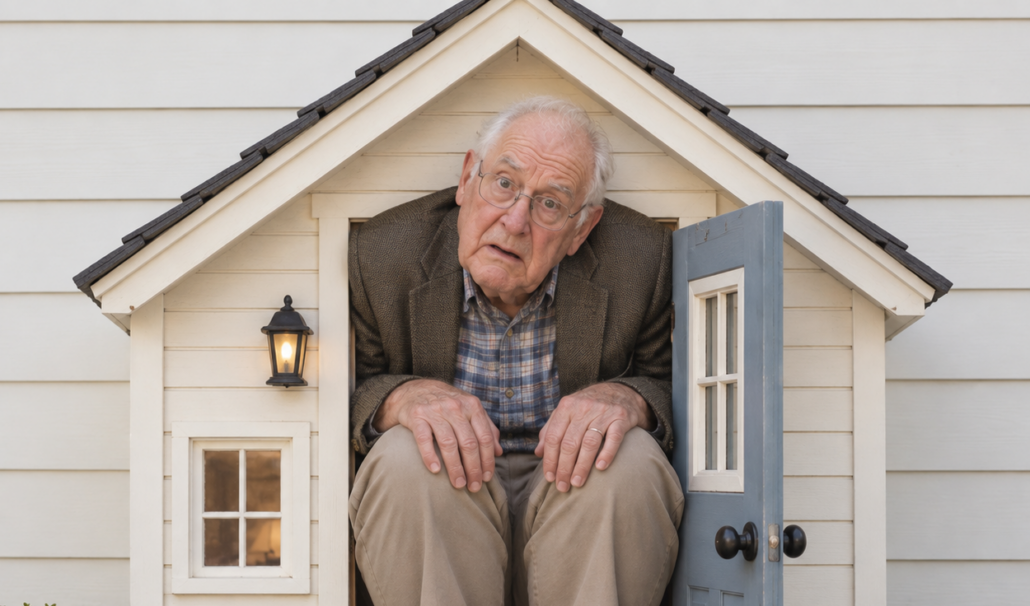
A few months ago, a family called me in the middle of a crisis that most of us will eventually face in one form or another. The parents were 91 and 96. One had cancer. The other had dementia. No one had a plan, and by the time I was brought in, decisions that should have unfolded over years needed to happen in weeks: Where should they live? What kind of residence made sense? What care was possible?
The family’s wishes were simple to state and, it turned out, expensive to fulfill. Move the parents near their children. Keep them safe at home. Provide in-home care for as long as possible. The price tag on that simplicity: $200,000 a year in rent, support staff, and aides. I’ll save the cost conversation for a future piece. For now, I want to focus on the questions that determine what “aging in place” requires, questions most families don’t ask until a crisis forces the issue.
Do you want to stay put?
Would you want to remain in your own home for as long as possible, even through illness or incapacity? It’s worth answering honestly, because the answer has consequences. If your children or support system don’t live within a reasonable drive, aging in place often just delays an eventual move, and delay tends to make the move harder, not easier.
Isolation from friends sets in. You lose the easy familiarity of the restaurants, bank tellers, and shopkeepers who’ve known you for years, along with doctors, dentists, and ophthalmologists who know your history. A move at 88 is not the same experience as a move at 58.
Is your home actually safe?
Aging in place means anticipating dangers most of us stop noticing until they cause harm. Stairs become obstacles. Bathrooms are where falls most often happen. Kitchens demand attentiveness to avoid fires and floods.
Most homes need modification to stay genuinely safe, and staying safe requires something harder than any renovation: honestly admitting our own declining abilities before an accident forces the admission for us.
Who will actually provide care?
In-home care sounds ideal in the abstract. In practice, your family is unlikely to be your primary caregiver, since they have jobs and households of their own, and finding aides who are well trained and a good personal fit can be genuinely difficult.
You’ll generally choose between an agency and an independent, “freelance” aide. An agency offers backup coverage when an aide is sick, background checks, and some liability protection if something goes wrong.
In my experience, private aides have often provided better care, though I can’t fully explain why, and my sample size is too small to form a conclusive recommendation.
The real obstacle
I see the same pattern again: seniors who want to age in place but don’t recognize the hazards in their own home. Families that resist spending money or taking on the burden of daily caretaking.
Most of this resistance isn’t really about logistics. It’s about facing our own aging and our own eventual decline. When we’re willing to look at that honestly, we tend to find more room to navigate what’s coming, together.